What Wibowo means for Australia

Natalie Sambhi is an ANU Hedley Bull Scholar graduate and co-editor of Security Scholar.

Greta Nabbs-Keller, in her 7 July post  on the promotion of Lieutenant General Pramono Edhie Wibowo to Army Chief of Staff, is right to highlight the tenacity of Indonesia’s martial roots in its present-day democratic setting. However, this and other recent posts on Indonesia’s military (TNI) miss the implications of such developments for Australia. In the case of Wibowo, there are three questions for Australia.

First, what does Wibowo’s immediate promotion mean? Greta does not mention that Wibowo is the former head of the Indonesian Army Special Forces (Kopassus). The good relationship enjoyed between Australian special forces units (particularly the Special Air Service Regiment) and Kopassus is indicative of strong ADF-TNI cooperation. Security cooperation has, after all, been a significant and enduring part of Australian engagement with Indonesia, and these links have served us well, particularly in times of diplomatic strain.

Second, to what extent will Wibowo’s promotion affect military ties with other partners? Indonesia has stepped up its cooperation with Chinese and US special forces. Exercise Sharp Knife, a joint anti-terrorism exercise held between Kopassus and Chinese special forces in early June, marked a step towards thawing military relations between the two countries. The US lifted its ban on engaging with Kopassus in June of last year. Since then, the relationship — seen by some as the ‘barometer’ of overall US-Indonesia relations — has been steady.

Third, if Wibowo rises to greater political heights, how will Australia reconcile this with his track record on human rights and the perceived nepotism behind his appointment? As I have argued here previously, reconciling our democratic values with regional strategic imperatives is not impossible, but no cakewalk.

If generals are, as Greta suggests, what Indonesian political parties want, then Australian leaders, both civil and military, should fully appraise the role that figures like Wibowo will play and should use the relationships we have built with them.

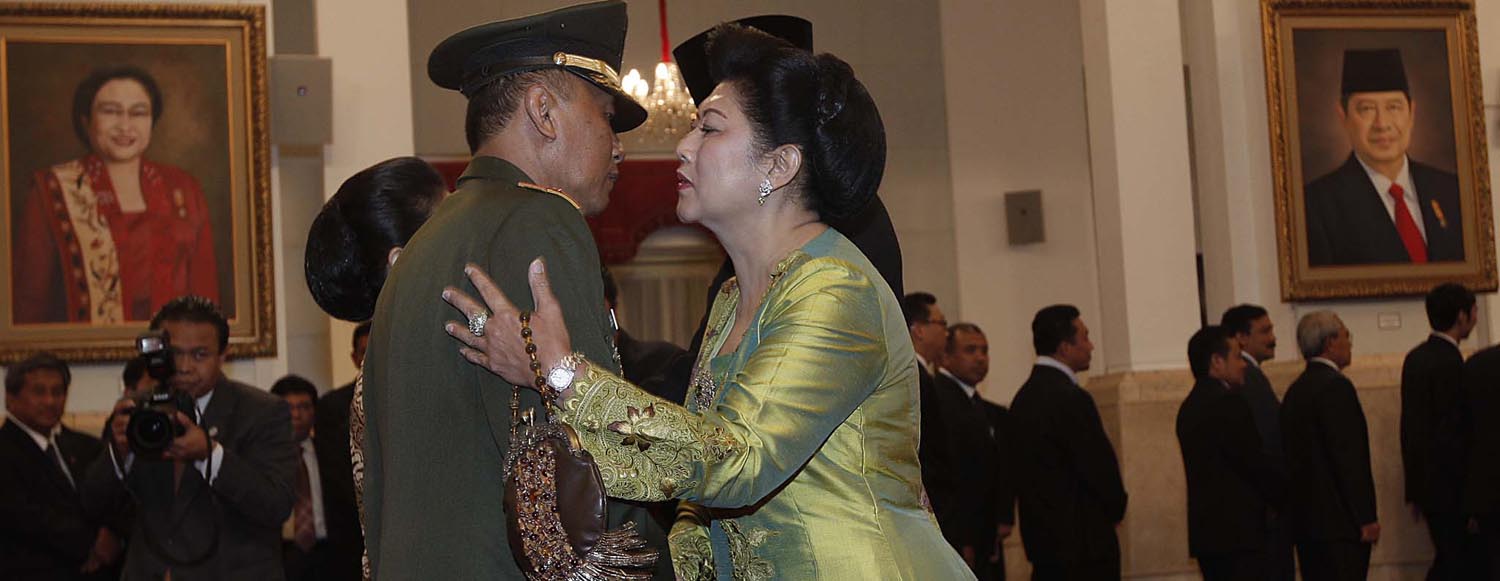
Photo courtesy of official website for the President of the Republic of Indonesia: First Lady, Ibu Ani Yudhoyono congratulations her brother, LTGEN Wibowo, at his promotion ceremony.

A version of this post first appeared on the Lowy Institute’s blog, The Interpreter.

Losing the narrative battle: civilian deaths and Defence PR

By Natalie Sambhi and N.R. Jenzen-Jones

Two commandos of the Australian Special Operations Task Group (SOTG) were cleared in late May of manslaughter charges arising from the death of Afghan civilians in a botched raid on a local compound.
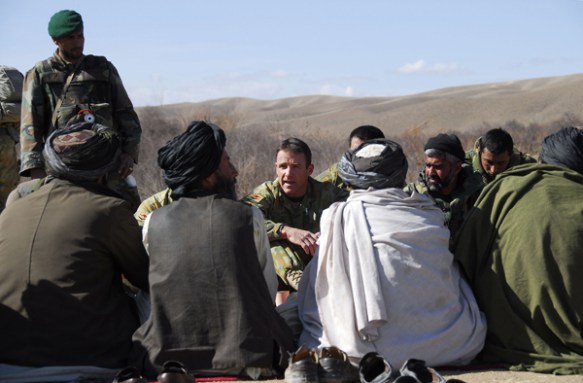
The SOTG, comprised of special forces soldiers operating under US command, is deployed as part of Australia’s contribution to the NATO-led International Security Assistance Force (ISAF) in Afghanistan, and is involved in targeting commanders in insurgent networks. This incident reflects the tactical challenges that come with operating in a complex environment. In fact, it is the result of a lack of clear strategic aims in Afghanistan that are yet to be rigorously debated and communicated to the Australian public.

As revealed in an Age article by Bette Dam and Tom Hyland, the commandos acted on false intelligence that an insurgent was living in the compound. After an exchange of gunfire and fragmentation grenades, an Afghan civilian man, Amrullah Khan, and five children were killed, and several others wounded. Amrullah Khan was later found not to match the description of the insurgent. Rather, he was falsely accused of insurgent activity by a family member as part of a blood feud, as Dam and Hyland explain, in which the commandos became unwittingly entangled.

Such entanglements and exploitation of ISAF forces by Afghans in local blood feuds are not unknown. In another article published the same day, Dam explained that such practices are well documented; in fact, two separate reports, one by the United Nations and the other by the Afghan Analysts Network, found that there have been numerous instances of false intelligence having been provided to ISAF members, and, in many cases, these have led directly to the deaths of innocent civilians.

Yet, serious questions must follow. As Amrullah’s wife, Shapiro, asks, why was the intelligence not independently verified by the commandos? With the practice of false intelligence widespread and noted between coalition partners, what procedures were in place to ensure this would not happen to SOTG members? If procedures were in place, how did they fail the commandos in question? What information sharing takes place between coalition partners? While there are ever-present challenges with human intelligence, there is one explanation as to how such an incident could occur.

In a January 2010 report, Major General Michael Flynn, the top ISAF intelligence officer in Afghanistan, argued that there has been a serious disconnect between military intelligence and the overarching strategic aims of the conflict. He condemned poor coalition intelligence practices in Afghanistan that are driven by a lack of understanding of the strategic demands of the war. As a result there is a perceived disengagement of intelligence officers from aid workers and local Afghans best placed to provide human intelligence, and so intelligence product is at times ignorant of local power dynamics and social relations. With such narrow intelligence forming the operating picture, accidents such as the death of Afghan civilians occur and further undermine the strategic imperatives such as protecting the local population. Furthermore, local actors keen to exploit ISAF assets supplement this narrow picture with false leads.

The inability to translate strategic objectives to tactical gains is hardly limited to the realm of military intelligence. Rather, it is reflective of the overall difficulty in extracting a clear strategy for continued engagement in Afghanistan. The muddied way in which our strategy in Afghanistan is handled in Australia’s public debate is the result of limited information about our role in the conflict reaching the public.

The tight grip on information held by the Department of Defence is striking. The recent shooting of Australian soldier Lance Corporal Andrew Jones at the hands of an Afghan soldier, for instance, was reported by Reuters and a Kabul-based BBC journalist some 12 hours before an official Defence notification of an “operational incident” was released. While delays are caused by operational security and by the need to notify next of kin, questions must be asked about the efficiency of the Defence public relations machinery in effectively responding to a 21st Century of instantaneous news. For its part, the media has been curtailed in its ability to provide information about operations to the public. In July of last year, journalist Chris Masters imparted to an audience at the Lowy Institute the frustrations involved in trying to report on Australian Defence Force activity.

The self-defeating nature of Defence’s restrictive information policies was demonstrated after the compound raid in question. The Department merely issued a statement in the wake of the incident stating that a “suspected insurgent” alongside five children had been killed and that an investigation would be launched. In contrast, Shapiro claims the Australian commandos immediately compared her husband to a photo of their intended target and realised their mistake, whilst their translator repeatedly shouted “it’s not him”. Perhaps a better course of action for Defence could have included clarifying the matter, issuing an appropriate apology and stating upfront that not only was it mistaken to think that Amrullah was an insurgent, but that such a belief was credibly constructed on false information.

Defence needed to be honest about the nature of complex operations; in modern low-intensity conflict, there are a multitude of challenges, including linguistic, cultural, environmental and technological dimensions. Defence, and the Australian Government, did itself no favours by failing to take charge of the course of public perceptions of not only the commandos, but of Australia’s overall conduct in the war. Instead, an opportunity to help shape the narrative of the Afghan conflict was lost.

Australia’s response to civilian deaths in Afghanistan contrasts sharply with that of other ISAF contributors, particularly the United States. There are numerous instances where ISAF commanders, particularly the current commander General David Petraeus, have apologised for such incidents. While Defence issues similar apologies, they are by no means as public or replete with emotion as are those issued by Petraeus. In response to the killing of nine Afghan children in an air strike, he said, “[ISAF] are deeply sorry for this tragedy and apologise to the members of the Afghan government, the people of Afghanistan and most importantly, the surviving family members of those killed by our actions. These deaths should have never happened and I will personally apologise to President Karzai.”

In contrast, the media release related to the commando incident acknowledged the killing of five children but merely stated, “Defence is obviously concerned about any loss of life.” In both cases, the civilian deaths were accidental but Defence’s approach to handling the information operations side of the Afghanistan conflict leaves much to be desired.

In any case, Defence’s lack of disclosure is the result of weak public demand for greater information. The lack of push from the media and the public, which provides no political incentives, allows current practices to continue. This dearth of information provided by Defence in the public domain in turn allows Australia’s political leaders to continue to maintain a parsimonious narrative regarding Australia’s strategic interests in Afghanistan. The parliamentary debate held in October last year saw broad agreement between the Government and the Opposition on the nature of our commitment there.

This lack of disclosure, maintained under the guise of either operational security or legal restrictions, does not help to shape the Australian public’s perceptions of our engagement. In the case of the commandos, full disclosure about the complex operational environment would have enabled better understanding of their situation in combat. Both sides, the tactical and strategic, are required for a balanced understanding of this conflict. Indeed, when Defence can be seen to be making excuses rather than discussing the facts maturely, it is hardly surprising we have not seen a serious dialogue on the matter.

This article and image first appeared in the Winter issue of AIIA Quarterly Access.
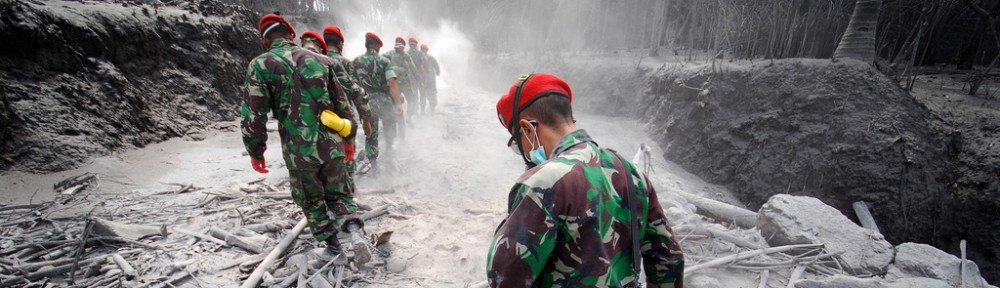
Big Boys Do Crye: MultiCam for Australia

By N.R. Jenzen-Jones

Please note: a number of serving Australian Army officers and soldiers were interviewed for this piece. Their names have been withheld at their request.


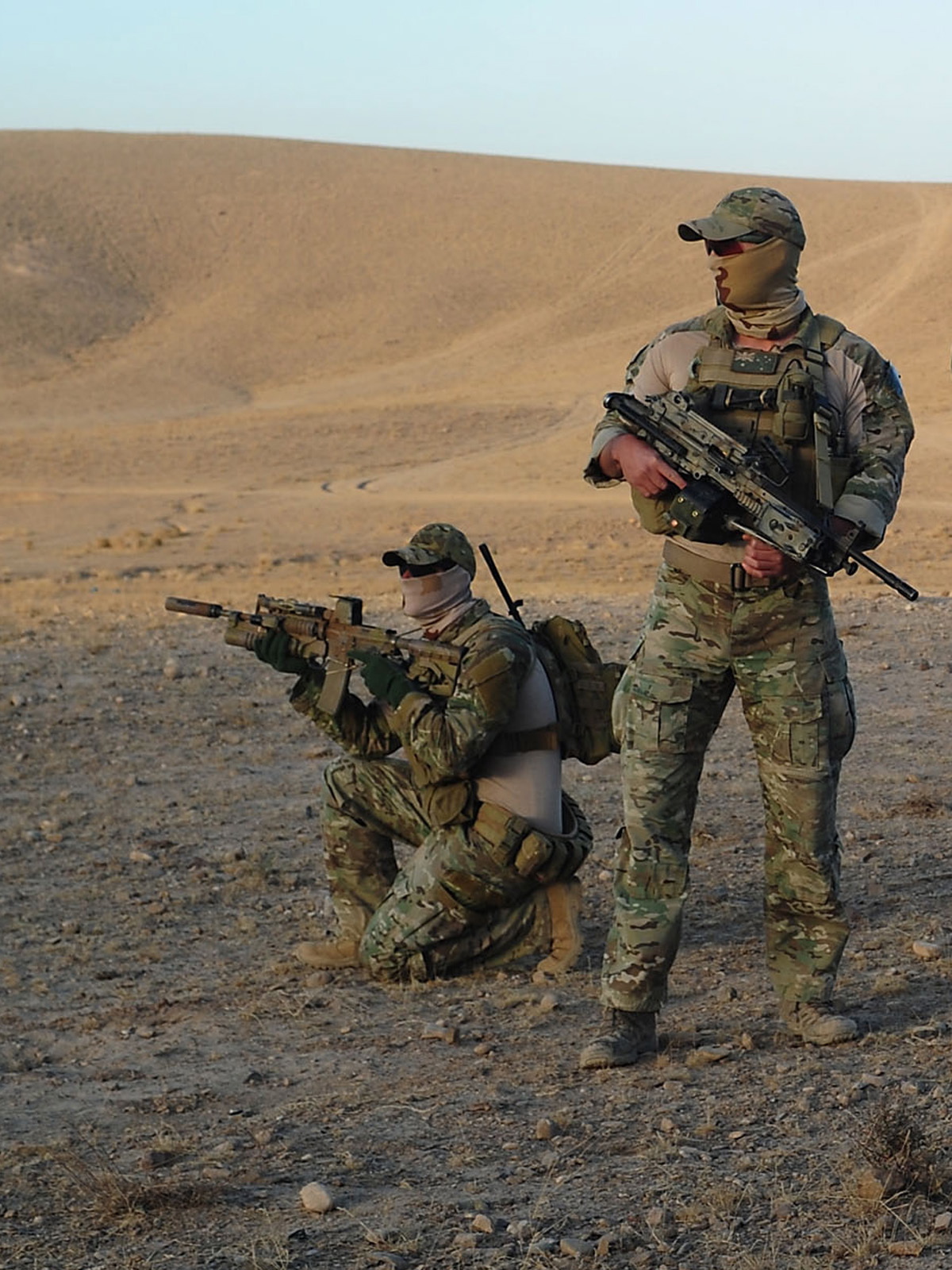
Last November the Minister for Defence Materiel, Jason Clare, announced that Australian troops operating in Afghanistan would be issued with Crye Precision MultiCam uniforms, following a successful trial. Australian special operations units had been wearing the pattern for some time, and the decision to expand its use to all troops in the theatre was a direct result of the positive feedback received by SOTG members. In late May of this year Chief Executive of the Defence Material Organisation, Dr Stephen Gumley, announced that the DMO had reached “an arrangement with the Crye company for them to design an Australian version of their pattern in the various materials”.

There have, however, been concerns about the final design, colouration and testing of the pattern, and some concerns from local industry and politicians.

The rise of MultiCam

The current, US-issue MultiCam pattern is already in service with a number of militaries, law enforcement organisations and private companies. The US Special Operations Command have been using the pattern for years now, and MultiCam had previously featured in various iterations of the US Army’s futuristic Future Force Warrior/Land Warrior program (cancelled in 2007).

Some of the first ‘real world’ adoptions of the camouflage came from the private sector, however. Blackwater tested MultiCam with some of its teams early on and featured the pattern in its ‘Pro Shop’ also (leftover product). Private contractors I have spoken to and worked with have also recognised the utility of MultiCam in Afghanistan, despite the tendency to avoid camouflage patterns.

The pattern is also in use with the US Immigration and Customs Enforcement Special Response Teams and a number of other US law enforcement agencies, some units of the British military (whilst awaiting the roll-out of their very own licensed Crye pattern, MTP) and the Australian Federal Police.

The UK has also adopted a variation of MultiCam. The Ministry of Defence’s Defence Science and Technology Laboratory (DSTL) investigated the effectiveness of ten different camouflage patterns under the PECOC (Personal Equipment Common Operating Clothing) program. The assigned team conducted a wide range of tests, used computer modelling, developed several experimental techniques and tested the pattern in the UK, Cyprus, Kenya and Afghanistan. MultiCam, already in use by UK special operations forces, was the stand out of the test group. Crye was then asked to develop an exclusive pattern for the UK MoD. As one Crye representative said: “MultiCam won all their trials so they wanted us to develop a pattern for them that performed like MultiCam but had a distinctly British identity. UK-MTP is the result”. The pattern itself, properly called Multi-Terrain Pattern, features the familiar MultiCam colour palette in a design featuring brush-like strokes reminiscent of its predecessor, British Disruptive Pattern Material (DPM).

MultiCam for the ADF

The new Australian pattern will be developed for the ADF by Crye at a cost of US$3.1 million. Additionally, Defence will be licensing the rights to manufacture uniforms in the existing pattern, for a sum of US$4.7 million. The Australian pattern will be known as ‘Australian MultiCam Pattern’ (AMP). At this stage it is unclear whether AMP will feature the current MultiCam palette in a distinctly Australian pattern, in a similar approach to the UK’s MTP, or will also feature a colour range modified for Australian terrain. It is also unclear how widely uniforms in the new pattern will be distributed, and whether they will be issued for use in Australian terrain. Previous proposals, however, have not fared so well.

Around late March and early May of last year, a number of sources began reporting on the Australian Army’s field testing of a new ‘mid-point’ camouflage uniform, designed to “better meet the range of environments deployed troops are encountering”. Disruptive Pattern Midpoint Uniform (DPMU), or ‘vomit cams’ as two of the serving soldiers I interviewed referred to it, was a DSTO (Defence Science and Technology Organisation) project to develop an ‘Australian’ pattern camouflage in a colourway optimised for semi-arid regions. There were allegations made during the testing of this pattern that it had essentially been pre-selected for distribution, regardless of the outcome of the field testing. It was also stated that other patterns (the “US and UK solutions”) were undergoing testing at the same time as DPMU, however the AMP pattern was not mentioned at this stage.

Australian troops I spoke to have mixed feelings about the idea of introducing a new ‘Australian MultiCam’ to replace the DPCU pattern. The utility of the current-issue MultiCam pattern for overseas deployments – referred to in Australian service as Crye Precision Camouflage Uniform (CPCU) – has been widely acknowledged by Australian troops. As one serving Australian Army officer put it: “The MultiCam pattern is excellent for Afghanistan because of the relatively small distance between desert areas and green zones there, and the fact that we often have to operate in both of those areas as part of one operation”. However, the same officer went on to say that whilst the utility of the pattern for work in Afghanistan was widely acknowledged, there was an uncertainty as to how well the current colour palette would suit the Australian bush. DPCU, based on aerial photographs of Australian terrain and designed specifically for the country’s bushlands, is held in high regard by many of our troops. A serving digger interviewed stressed that DPCU is ideally suited for use in Australia and that, in his opinion, MultiCam (as it stands) should be reserved for troops deploying overseas. While it is unlikely, due to issues of cost, that two sets of uniforms (and spares) will be issued to all Australian-based ADF personnel, it may be that MultiCam is issued in anticipation of overseas deployment. It will be interesting to see how the balance will be struck.

The Crye uniforms currently being issued have gained a lot of their popularity with troops not just from the MultiCam pattern, but from the design of the uniforms themselves. Of course, there have been a few hiccups, notably in sizing. Nonetheless, several serving troops and officers I spoke with pointed out a number of design features that were very popular. The rip-stop fabric, location of pockets, knee and elbow padding, and cooler fabric designed for use under body armour were the stand-out features. It should be noted that these features are not exclusive to Crye’s range of products, and could be incorporated into uniforms produced in Australia using a licensed Crye pattern, or any other camouflage design.

Australian industry concerns

There has been some outcry (see comments section here) about the non-competitive adoption of a foreign camouflage pattern. The Shadow Defence Minister, David Johnston, has also asked for comment on the matter. Unfortunately for Australian designers and producers, MultiCam has a noted track record and enjoys a high-level of support from the troops. Of course, if the new AMP pattern turns out to be very similar to DPCU but featuring Crye’s colour palette (in the same vein as the UK’s MTP), one could reasonably ask why such a relatively minor change couldn’t have been conducted by an Australian company. Additionally, a shift towards Crye patterns by the US, UK, private sector companies and now Australia has the added effect of diminishing differences in appearance between various Western militaries.

One thing is for sure though, Crye Precision continues to represent what Western militaries believe is the vanguard of camouflage design, and will no doubt continue to be financially successful as a result. For the new AMP pattern to be successful it will require proper theoretical and operational testing in the environments it is expected to serve. If we decide to issue such a pattern to troops stationed in Australia, then it is my sincere hope appropriate tests are conducted in Australian terrain. Wise doctrinal guidance outlining the scope of deployment for the new pattern will also be necessary, and it will be interesting to see whether we arrive at a pattern designed to replace DPCU, or a pattern designed specifically for expeditionary use.

Addendum: We may well see an announcement of further details at Defence and Industry 2011, in Adelaide next week (28th – 30th June).

This piece has also appeared at KitUp!

Jumping The Gun: what does the AK-100 series really mean for Libya’s rebels?

By N.R. Jenzen-Jones
This post originally appeared on the Lowy Institute’s blog The Interpreter.

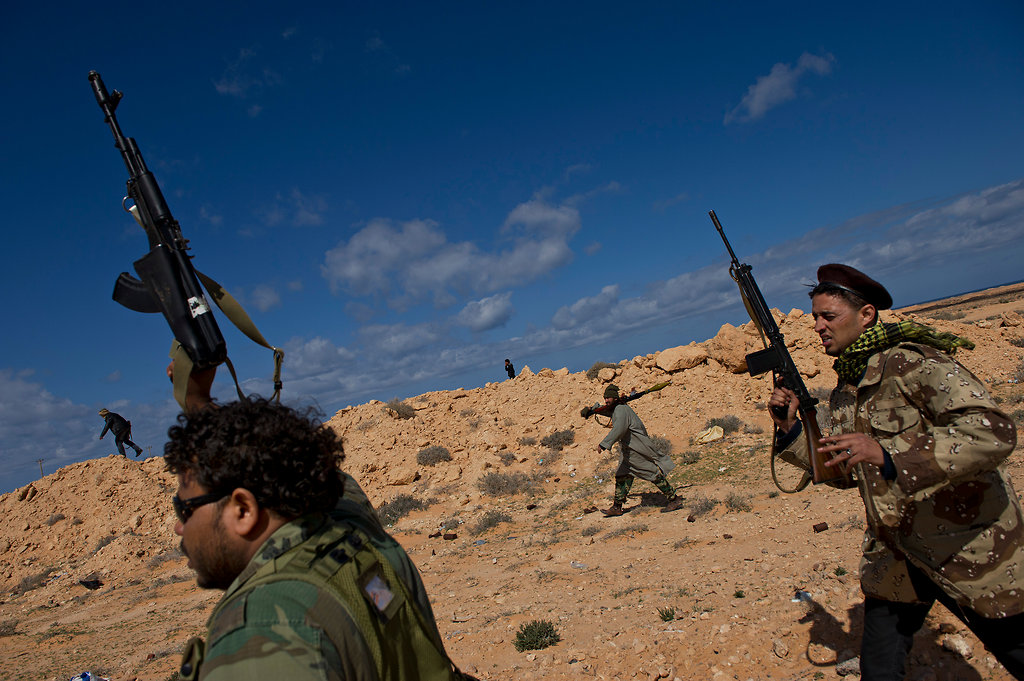
Libyan Rebel with AK-103 (March 5th 2011)

Stephanie Koorey’s piece on Libyan weapon supplies falls short of investigating properly the origin of many of the small arms seen in Libyan rebels’ arsenals. The star of Koorey’s piece – an ‘AK-100 series’ rifle shown in this  Al Jazeera video clip – leads her to reasonably ask, ‘where are these from?’ Eastern Europe? South and Central Asia? Perhaps even South America? However, there exist possibilities closer to the conflict, and more to the story.

The gun in question is certainly an AK-103; the muzzle brake design and barrel length are different on the AK-102, AK-104, and AK-105, and the AK-101 and AK-74M are chambered for 5.56x45mm and 5.45x39mm, respectively, and feature correspondingly straighter magazines. The state-controlled Gafat Armament Engineering Complex in Ethiopia has been producing AK-103s for some time now as the ET-97/1 Automatic Rifle. Arms movement between the two countries has been well documented, though it is not extensive.

Another distinct possibility is that the rifles may well have come from within Libya itself.

We know the Libyan government planned to manufacture AK-103s under license, and it is likely that samples were sent over from Russia for assessment purposes. It is even possible that a pre-production run was manufactured within Libya. We’ve certainly seen pro-Qadhafi forces using the AK-103, which lends weight to this theory.

Koorey’s assertion that this “makes the Libyan rebels the first known non-state combatants to have AK-100s” is also untrue. There have been confirmed reports of non-state combatants using AK-100 series weapons in Chechnya (and probably Ingushetia), in Colombia (by FARC rebels, and likely by the ELN and cartels as well) and in other conflict zones. Private security contractors in both Iraq and Afghanistan have made use of Bulgarian 100 series clones. I’d be very surprised if a few examples hadn’t made it into the hands of militants in these or other parts of the Middle East and Central Asia, or in the Caucasus, India or the Balkans.

I have also heard personal accounts of AK-100 series rifles being sighted in the hands of Hezbollah fighters, which may well be connected to Iranian military use of AK-103s. Also, given that certain units in the Yemen Army use AK-104s, it wouldn’t be a stretch to imagine a few examples turning up in the hands of Houthi militants or other groups in the region. Bearing in mind production first began in the 1990s, it is not surprising these weapons have been sighted around the world. The fact that countries like Venezuela and India have moved to produce these rifles under license relatively recently only serves to heighten the distribution of the AK-100 series.

So how will the presence of AK-103s affect the conflict in Libya? Almost unnoticeably; at this stage we have seen very limited stocks of the weapon. Even should the numbers of 100 series rifles increase, their acknowledged advantages over older AK-family weapons will have very little strategic impact, given the relatively low level of marksmanship training of the combatants involved. Unless the rebel forces can obtain significant numbers of them – and sufficient stockpiles of 7.62x39mm ammunition – we are not going to see this weapons system providing much of an advantage at all.

Image courtesy of The New York Times. Libyan Rebel with AK-103 (March 5th 2011).

Update 21/06/2011: Stephanie Koorey has a reply to this piece up here.  I think she may have missed a few of my points, but I intend to get in touch with her and compare thoughts on the small arms situation in Libya.

Update 16/09/2011: It appears the rifles were from Russia, after all. Details here

Update 31/10/2011: Close-up images of the receiver of one of the rifles shows Russian factory markings. Here

Separating strategy and tactics in the Afghanistan debate

By Natalie Sambhi and N.R. Jenzen-Jones

While we do not subscribe to all that Raoul Heinrichs proposes in his 31 May Lowy Interpreter post, we feel it necessary to outline our position relative to some of the claims Rodger Shanahan makes in his 1 June rejoinder to Raoul. In short, while Raoul is wrong about the ADF, Shanahan is wrong about strategy.

Nowhere in Shanahan’s post does he acknowledge the final note upon which Raoul’s piece actually hinges: that is, there is a need to measure our tactical and operational gains and losses against a clear strategy for Australia’s continued involvement in Afghanistan which, in Raoul’s opinion, is absent. Against a weak strategy, human costs are magnified, and it is the responsibility of those in the strategic realm but more importantly the political realm to do so. In fact, to not do so would violate the very covenant Shanahan holds sacred, that of the social contract between soldier and government.

Soldiers do not fight for strategy; on that point Shanahan is correct. But neither do they fight simply to “leave the area for which you have responsibility in better shape than you found it”. This idea in itself is a strategic concern, and certainly not always the goal of warfare. Shanahan appears to use this point as a fulcrum for suggesting that gains made to date directly translate to current strategic imperatives. Of course, these fluctuate with time and circumstance; and we have been in Afghanistan for near on ten, strategically-shifting years.

At the end of the day, both Shanahan and Raoul are focussed on the tactical level manifesting in their concern for the welfare of the soldier, except that Shanahan has also left considerations of strategy behind.

Postscript: For further views on this debate, Crispin Rovere advances similar arguments to the above in a 2 June Lowy riposte while @ClosetIdealist further teases out Australia’s strategic interests in Afghanistan on a 3 June Pynx blog post.

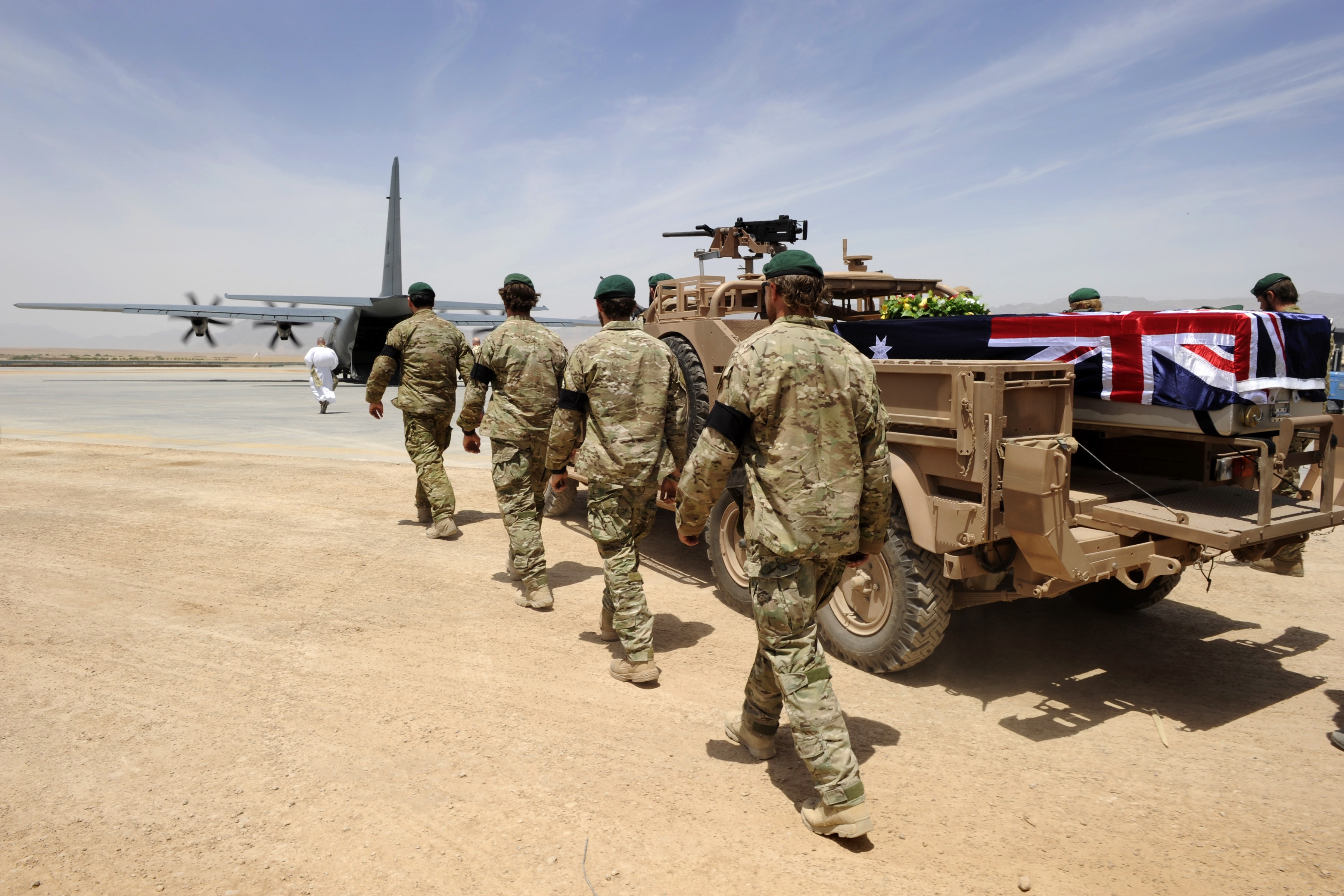
Image courtesy of Department of DefenceMembers of commando SGT Brett Wood’s platoon escorted his coffin at Tarin Kot airfield where a C-130 waited to commence his repatriation.

An SOTG squirrel so secret …

By Natalie Sambhi and N.R. Jenzen-Jones

By chance, we stumbled across an interesting addition to the Department of Defence’s Afghanistan frontpage: video footage of Australian troops in Afghanistan, including the SOTG.

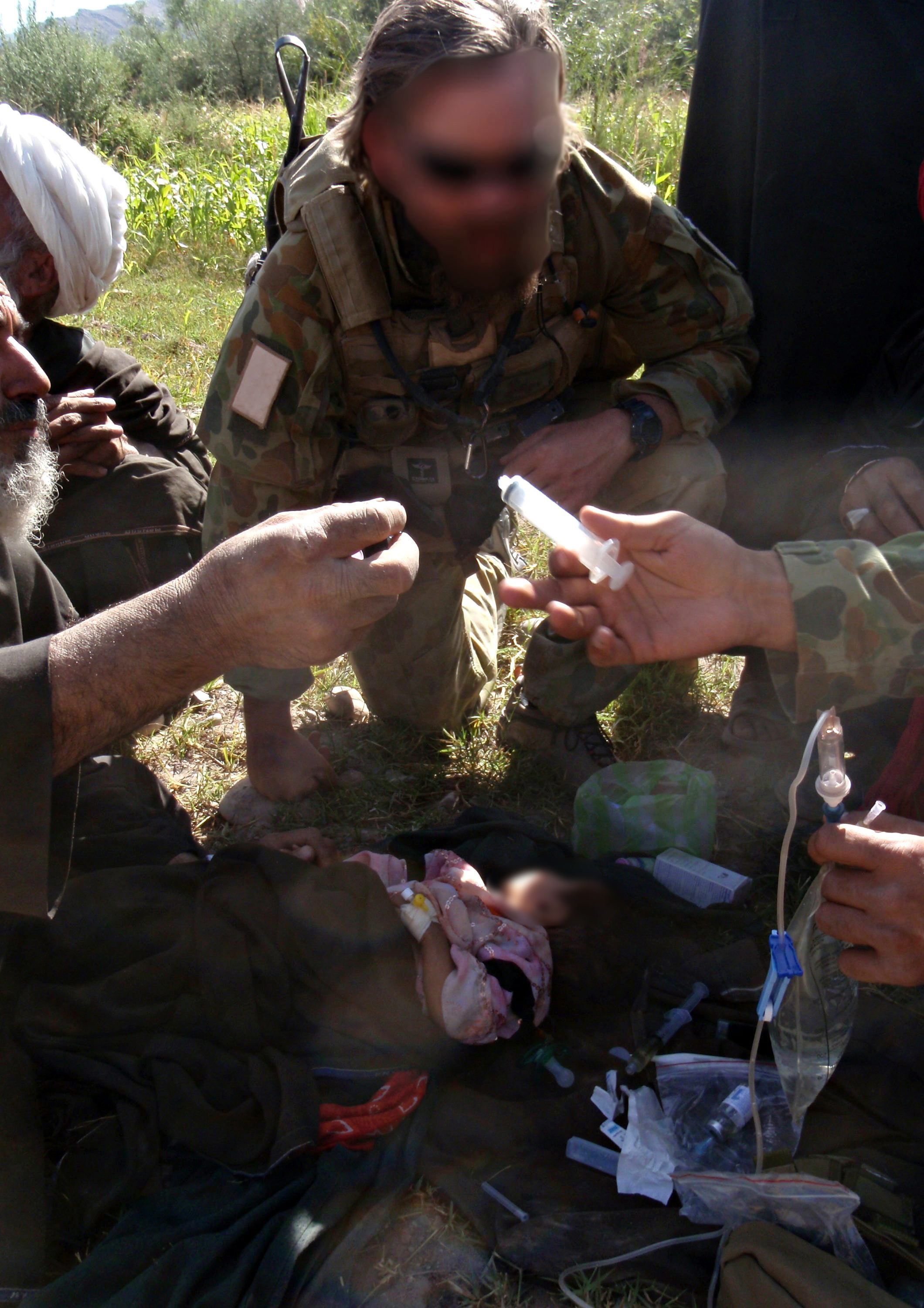
The latest SOTG footage (video here) relates to an incident on 6 May 2011 in which members of the SOTG administered first aid to Afghan civilians injured by an IED. While the faces of SOTG soldiers and Afghan civilians have been obscured, the footage (which appears to have been recorded with a helmet-mounted camera) provides only momentary insight into operations there.

Moreover, there appears to be no announcement of what seems to be a step towards greater visibility of Australian operations in Afghanistan.

Defence still appears to be lurching towards greater (though currently modest) openness but lags behind coalition partners. ISAF partners including US, UK, Germany and the Netherlands to name a few, have defence ministries and departments that have extensive and regular video footage as a part of their Afghanistan media operations. We acknowledge that some of these partners may have greater capacity to conduct media operations. It seems as though the Dutch have no shortage of video footage of their troops in Afghanistan. In comparison, one decade into the conflict, Defence’s output is sparse.

We have been critical of Defence’s PR machinery here at Security Scholar and can only hope this development marks a milestone on a road towards modernising the public image and accessibility of the ADF. With any luck, an announcement will be forthcoming from Defence so that this latest step towards greater accessibility is not lost on the general public.

Photo courtesy of Flickr user ISAFMedia.

Defence ambiguity on Female Engagement Teams

There appears to be some confusion as to whether Australia has deployed Female Engagement Teams (FETs) in Afghanistan. Last month, around the time of the ADFA sex scandal and the ensuing (but somewhat unrelated) debate on the role of women in combat, the ABC’s Sally Sara reported that the ADF does indeed employ FET to engage with Afghan women.

Other than one March 2011 media release alluding to female ADF participating in a FET, the lead nation of which is unclear, there have been no explicit statements supporting Sara’s claim. This does not necessarily mean her claims are false; rather Defence has remained coy on the matter (I deconstructed the ambiguity of the media release in this March post).

One would think that, at the height of the women in combat debate, it would have been an ideal time either to back up Sara’s statement on ADF FET by way of clarification, or even take the opportunity to talk up the work of female ADF members in Uruzgan and beyond. Sadly, no such statements have been forthcoming.

Image courtesy of Department of Defence.

Reader reply: Defence PR still stuck in first gear

Tom Hyland is currently International Editor of the Sunday Age:

I wish it was true, but I’m not sure I agree with you when you say defence is getting its PR into gear. The pics and press release relating to the SOTG coming to the aid of survivors of the IED blast were issued a week after the event. Even allowing for the torturous ADF decision-making process, and the possible op-sec issues, reporting something one week after an event means it’s not news, it’s old.

Secondly, the pics and press release were issued on a Friday afternoon, timing that is almost certain to guarantee an item won’t be published in any of the major dailies on Saturday, because of early print deadlines.

Thirdly, the faces of the people in the pics – the doctors, medics and victims – are all pixillated. There may be reasons for this, but it doesn’t enhance chances of these images being reproduced in the media.

And finally, the press-release is written in a wooden style, with no emotion or human content. Where are the quotes from the troops involved? And where did this incident happen? Who were the people involved? Where were they from? Where were they going? Now maybe the target audience for this press release and associated pics wasn’t the Australian media. Who knows.

As for the surge in official reporting of SOTG activities, at least some of the ADF releases were issued well after ISAF had reported these incidents.

Again, I hope you’re right, but I’m not sure this indicates the ADF has got its PR act together, or that it’s decided to be more candid.

There’s an interesting piece on page 13 of the latest edition of Army newspaper. It quotes soldiers in Deh Rawoud, recounting combat in December, including one contact that lasted more than seven hours. Yet this stuff wasn’t the focus of any ADF press releases at the time.

Of course this wouldn’t be an issue if the Australia media thought it worth their while to base reporters full-time in Oruzgan. But don’t start me on that one.

Image courtesy of The Age.

Defence public relations: see no evil, hear no evil?

Yesterday, the Australian Department of Defence released information and images depicting the desperate attempts of Special Operations Task Group (SOTG) personnel and their Afghan counterparts to save Afghan civilians critically injured from an IED attack (pictured). Set aside was the bravado and triumphalism of past releases on weapons caches or insurgent leaders; here was a more human, more fragile side of the war, seen through the eyes of our special forces.

This is worth noticing because, as mentioned previously on this blog, Defence has been reluctant to engage with the public and indulge information about its operations, particularly in relation to the conflict in Afghanistan. Media releases are few and far between, and are lacking in detail. Defence’s lack of candour has created a fog of war for the Australian public and an information vacuum in which journalists are able to indulge in their favourite special forces fantasy and call it defence reporting. But, it seems that this is changing.

In the past few months, there has been a surge in reporting on the activities of SOTG operations in Afghanistan. Such reporting has not only increased in frequency but has been produced much more promptly after incidents have occurred. In April alone, there were four SOTG-related releases: two on the disruption of insurgent operations (here and here), one on an insurgent commander killed, and one on the death an Afghan child caught in crossfire. Compared to last year, there is a remarkable increase. This may be the result of a higher operational tempo or the new Defence Information Publication Scheme Plan (under which it should become easier to obtain Defence information). In any case, it seems as though Defence has gotten into gear with its PR.

It will take time to paint a fuller picture of our Afghanistan operations however, if it continues, this trend is a start for the better. The picture above of SOTG doctor Major D hunched over the fragile body of a child is a clear depiction of the pressures in a war zone. Such depictions help us understand better (but not excuse) the difficult decision made in the heat of battle, for example, by Australian commandos that resulted in the deaths of Afghan children.

As General Sherman once said, war is hell. But we need to understand how and know why. So even if Defence is late coming to the game, and even if a substantial withdrawal of our troops occurs by 2014, it is still better to see some evil and hear some evil than nothing at all.

Image courtesy of Department of Defence.

Australia and a Post-bin Laden Pakistan

By N.R. Jenzen-Jones and Natalie Sambhi.

Nic Jenzen-Jones has had several years’ experience working with and producing analyses for private defence and security contractors. He currently consults on a freelance basis.

The death of Osama bin Laden undeniably brings a sense of closure to many and marks an important moment in the 9/11 chapter of history. Yet it brings to a head the many uncomfortable questions raised about Pakistan over the past years. The bin Laden episode highlights, as commentators like Joshua Foust explain in more detail, the steady degradation of US-Pakistan relations. What the killing of bin Laden demonstrates is that the US is capable of conducting complex operations within Pakistan, such as acquiring a high-value target, with what seems to be minimal (if any) assistance from the Pakistani security forces. Does this state of relations cause a necessary shift-of-mission for the US? And if so, is this a shift towards an approach more focussed on counter-terrorism operations?

With Pakistan’s ability to enjoy, hitherto, financial and material backing from the US (some US$18 billion between 2001 and 2010) and other Coalition partners like Australia, questions will need to be asked about how the Coalition will move forward in light of these developments. There is no denying that Pakistani assistance has been valuable in the ongoing war in Afghanistan, in particular in the support of targeting insurgent-rich areas bordering Afghanistan and Pakistan. The US has based drones within Pakistan, and the Pakistani military has even captured high-ranking terrorists, and conducted airstrikes against Taliban targets sheltering in the tribal regions. However its many transgressions—particularly those of the ISI—have often come to light as well. They include ISI connections to the bombing of the Indian embassy in Kabul, the tipping off of insurgents, and allegations of close relations with the Haqqani network.

In light of this balance sheet, Coalition partners will have to reflect upon the most effective way to continue to operate with such an ally. Citizens around the world, most certainly from those countries which have committed troops to Afghanistan, will demand an answer as to how the world’s most wanted man was allowed to operate under the watch of Pakistan’s intelligence service (the ISI) for so long and, astoundingly, so close to a Pakistani military training academy and a nearby police station.

If the current state of relations between the US and Pakistan—the determinant of the broader relationship between the Coalition and Pakistan—continues, what does this mean for Australian operations overseas? As our Prime Minister and others have observed, this episode will likely leave our Mentoring Task Force mission of training the Afghan National Army relatively undisturbed until the withdrawal of 2014. On the other hand, if continued Pakistani intransigence leads to the US adopting a more counterterrorism-centric approach (along the line of Joe Biden’s light footprint plan), there is a good chance Australia’s Special Operations Task Group (SOTG) mission will be affected. At present, the main focus of the SOTG is disrupting insurgent networks in and around the province of Uruzgan. To date, they have also conducted operations in Kandahar involving the targeting and capture/killing of insurgent leaders. Being under US command, should the US mission increase targeting of al-Qaeda elements in the AfPak region, it is not too difficult to envisage that the SOTG would follow suit. With increased operational tempo (in April alone, the latest rotation of SOTG has produced results here, here and here), there has been speculation that we have physically and mentally exhausted our SAS personnel.

This morning, Prime Minister Gillard affirmed a desire of maintaining close security ties with Pakistan, but this statement will ring hollow if Pakistan continues to produce a mixed balance sheet. Without Pakistan on board, many of Australia’s efforts in stabilising Afghanistan with the aim of denying terrorist safehavens would be in vain. Ultimately, however, the Coalition partners must be prepared to look at alternatives to working with Pakistan’s security forces.

Of course, that begs the question: how tough is Australia prepared to get on Pakistan if we risk burning out some of our most valuable military assets?

 Photo courtesy of Department of Defence